
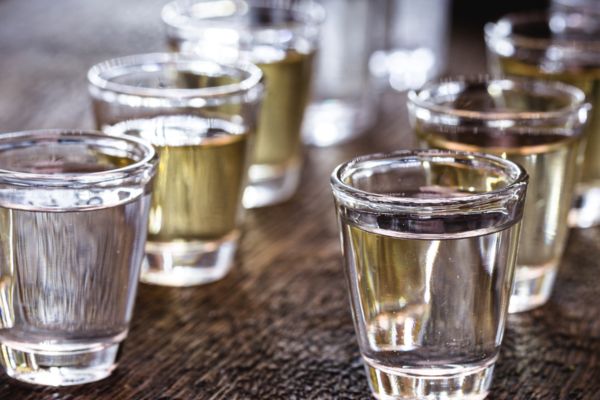
As a local guide who has been showing travelers the authentic side of Hanoi since before 2010, I often get asked about the local drinking culture. Many tourists think our beverage scene begins and ends with Bia Hơi (fresh beer) or iced coffee. But to truly understand the soul of Vietnam, you must understand the deep, complex, and centuries-old culture of Vietnamese liquor, known locally as Rượu.
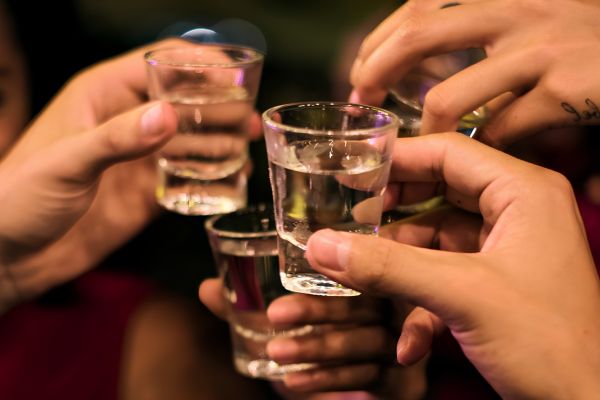
This isn’t just about getting a buzz. In Vietnam, liquor is a spiritual messenger, a social glue, a poetic muse, and increasingly, a canvas for modern artisanal craftsmanship. Let’s dive deep into the fascinating world of Vietnamese liquor, stripping away the stereotypes to uncover its true cultural weight.
The Spiritual and Historical Roots of Rượu
The history of Vietnamese liquor predates many of the dynasties we read about in history books. According to the ancient text Lĩnh Nam chích quái, early Vietnamese people already knew how to “use tree bark for clothing, rice to make liquor, and fish and shrimp to make fish sauce”.
In our culture, rice is considered “ngọc thực” (the pearl of heaven). Because traditional Vietnamese liquor is distilled from this precious grain and combined with special leaf-based yeast, it was historically viewed as the very essence of the universe. It became the ultimate spiritual messenger used to connect mortal humans with supernatural deities and ancestors.
There is an old saying deeply rooted in our society: “Vô tửu bất thành lễ” (No ritual is complete without liquor). Historical records even tell the story of Emperor Lý Thái Tổ who, upon seeing a beautiful landscape during a patrol, poured liquor onto the earth and prayed for the local spirits to accept his offering. To this day, the finest Vietnamese liquor is always reserved for the ancestral altar to show filial piety and gratitude.
The Role of Liquor in Society and Literature
Vietnamese liquor touches every milestone of a person’s life in this country.
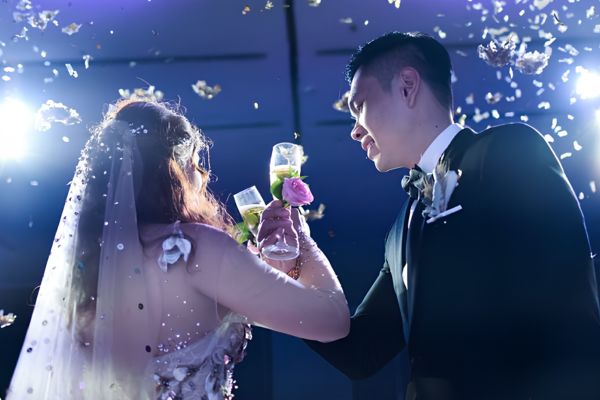
In traditional weddings, it is a mandatory offering alongside betel nuts. Before leaving for her husband’s home, a bride traditionally pours liquor for her parents as a sacred farewell. During the final wedding ceremony, the bride and groom share a cup of “rượu đào” (pink liquor) and eat sticky rice, symbolizing a sweet, happy, and tightly bonded marriage.
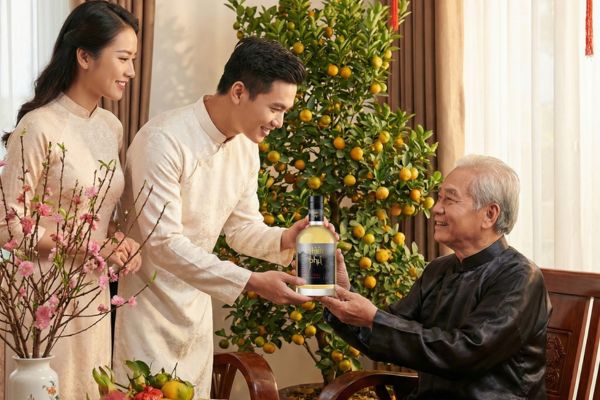
Even during the Lunar New Year (Tet), Vietnamese liquor has historically been used as a prize. The ancient Chinese text Tùy thư noted that during the Northern domination period, the Vietnamese used liquor as a reward for traditional festival games like tug-of-war and swinging.
Beyond rituals, Vietnamese liquor was the ultimate companion for the scholars and poets. A true gentleman was expected to master four arts: lute playing, chess, poetry, and painting – all while enjoying liquor. The great poet Nguyễn Trãi wrote of drinking under the moon, using a “pouch of poetry and a gourd of liquor” as a metaphor for the arts that give humans strength on the long journey of life. In our national epic, Truyện Kiều by Nguyễn Du, liquor is a constant motif; characters never drink to excess, but rather share different symbolic cups (the cup of spring, the cup of oaths, the cup of reunion) to define their complex relationships.
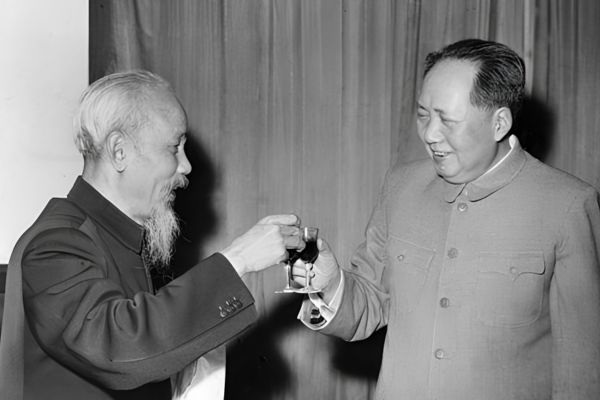
Even President Hồ Chí Minh, a man of profound culture, used Vietnamese liquor not for intoxication, but as a warm social lubricant to deepen conversations and inspire poetry, though he sternly warned against the dangers of overconsumption.
The Etiquette: “Chén Tạc, Chén Thù”
The etiquette of drinking Vietnamese liquor differs significantly from Western wine culture. Westerners often focus heavily on formal rituals, sipping slowly to analyze the color and tasting notes of the alcohol. In contrast, the traditional Vietnamese approach prioritizes genuine connection, comfort, and joy over rigid formalities.
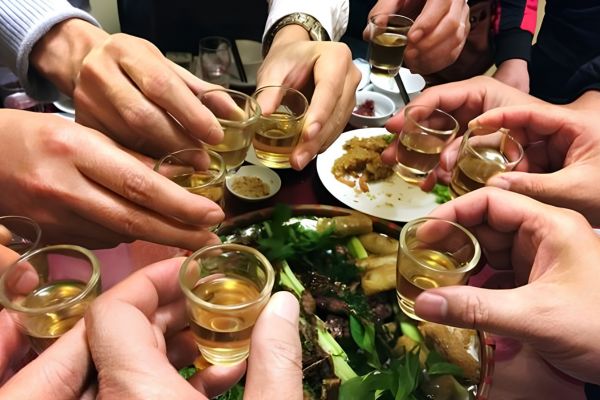
The traditional dynamic is called “chén tạc, chén thù”, where the host initiates a toast (tạc) and the guest drinks in response (thù). While farmers historically drank alone to soothe their muscles after a long day in the fields, business people use it to open negotiations. However, true traditional culture dictates that one must always remain in control; a gentleman drinks but never loses his reason.
Unfortunately, rapid modern development has sometimes skewed this culture. The ancient rule of “tam tước bất thức” (three cups are enough) is often ignored today, leading to toxic binge-drinking and peer pressure. To combat this and preserve the true beauty of the culture, the Vietnamese government enacted a strict Law on the Prevention of Alcohol Harm in 2020.
The Three Pillars of Modern Consumption
Today, the alcohol market in Vietnam is a vibrant mix of the old and the new, generally divided into three categories:
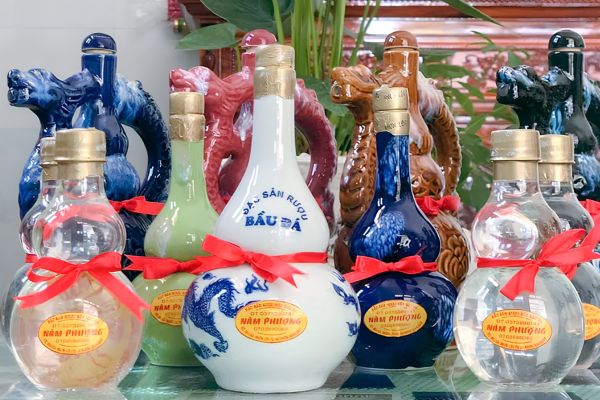
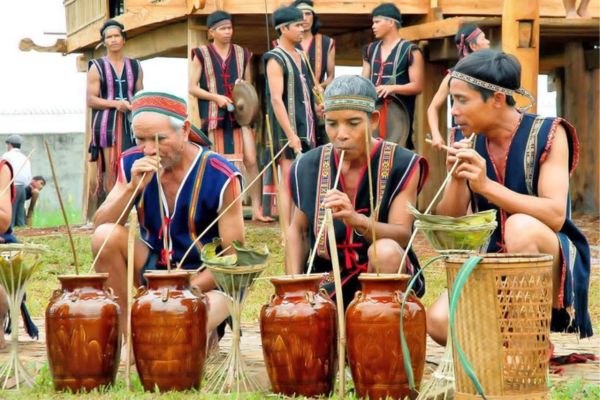
Traditional Vietnamese Liquor: This includes Rượu trắng (white rice liquor) like Làng Vân and Kim Sơn, which are staples at rural gatherings. We also have highland specialties crafted with wild leaf yeast, such as Na Hang, Mẫu Sơn, and Bàu Đá. Finally, there is Rượu cần, a communal fermented rice liquor drunk through long bamboo straws from a large jar, central to the indigenous cultures of the Central Highlands.
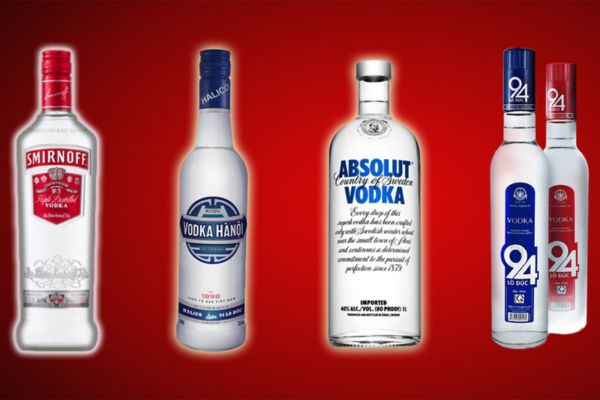
Imported Spirits: High-proof liquors like Scotch Whisky (Chivas, Johnnie Walker), French Cognac (Hennessy), and Vodka are highly favored for luxury gifting and large banquets.
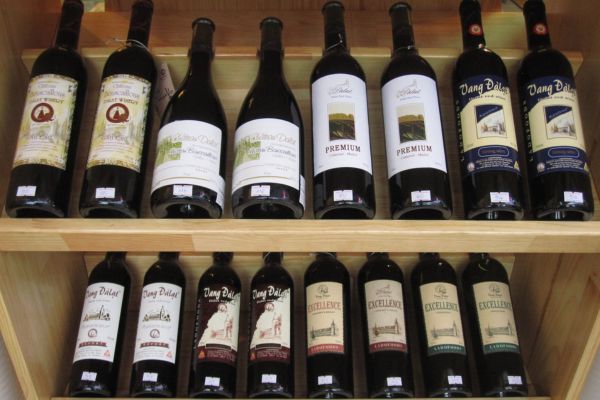
Wines: Wine culture is growing rapidly, led by domestic brands like Vang Đà Lạt (which is highly accessible for the local palate) alongside a massive influx of imported wines from France, Italy, and Chile.
The Craft Revolution: Elevating Vietnamese Liquor
The most exciting development in the current beverage scene is the rise of craft distilleries. These brands are combining international distillation techniques with hyper-local Vietnamese botanicals to put Vietnamese liquor on the global map. Here are five pioneers you must know:
-
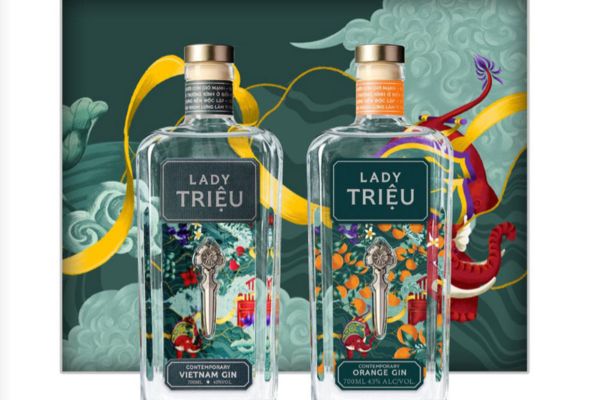
Lady Triệu: Named after a fierce 3rd-century Vietnamese heroine, this is currently the best-selling craft gin in Vietnam. It is 100% distilled from Vietnamese grains and botanicals, featuring region-specific batches like Mekong Delta Dry Gin and Dalat Flowerbomb Gin.
-
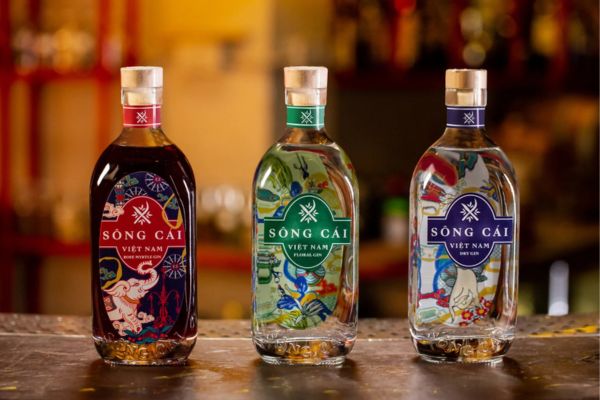
Sông Cái Distillery: Founded by Daniel Nguyễn, this was Vietnam’s first gin. Working closely with H’mong and Red Dao ethnic minorities, they tested 44 recipes using direct-fire distillation to create a gin based on the Vietnamese culinary philosophy of balancing “hot” and “cold” energies.
-
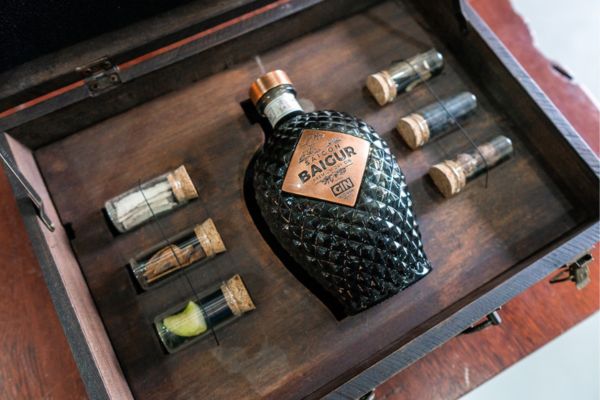
Saigon Baigur: Saigon’s first premium dry gin uses a distinctive dragon-egg-shaped bottle. Its signature flavor profile is built around Buddha’s hand fruit, Saigon cinnamon, and lotus flower, distilled in the city’s first custom European copper still.
-
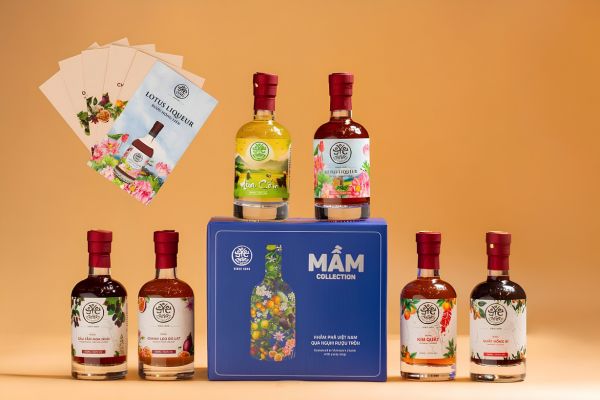
MẦM Distillery: Originating from a local Hanoi restaurant, MẦM specializes in fruit liqueurs. They blend a base of rice liquor with naturally fermented local fruits (like Dalat raspberries or Hanoi kumquats), resulting in 15 distinct, sweet-yet-potent flavors perfect for those who find standard spirits too harsh.
-
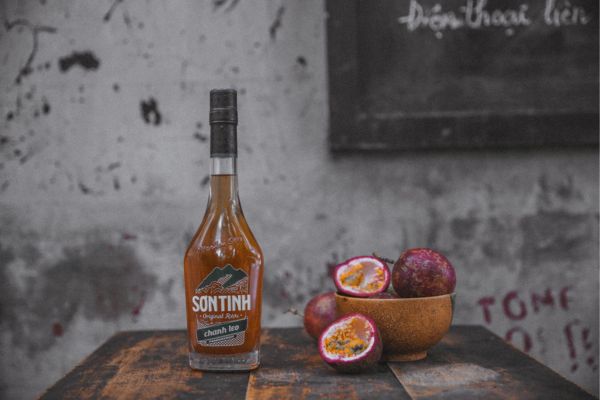
Sơn Tinh: Founded by Swiss expat Markus Madeja, Sơn Tinh is Vietnam’s only internationally awarded craft rice liquor. Using traditional Vietnamese brewing methods combined with a German copper distillation tower, they produce meticulously crafted small batches with poetic names like “Mỹ Tửu” (Beauty Liquor) and “Nhất Dạ” (One Night).
Whether it is a cheap cup of rice wine shared in a rural village or a high-end craft gin cocktail overlooking the Hanoi skyline, Vietnamese liquor remains an essential, evolving thread in the fabric of our culture. Drink responsibly, respect the heritage, and Một, Hai, Ba, Dô! (One, Two, Three, Cheers!).
